
New Releases
0% CompleteView All Categories

Locked
Philosopher's Notes
The Right to Be Human
A Biography of Abraham Maslow
Abraham Maslow is one of my heroes. His Heroic portrait hangs in a frame on the wall in my office, and I got this book after reading Scott Barry Kaufman's brilliant Transcend, which extends Maslow's work into the modern era. We've already created Notes on his classics Motivation and Personality and Toward a Psychology of Being, plus the lesser-known Future Visions, and this biography by Edward Hoffman brings the whole man to life. It's packed with inspiring stories of the challenges Maslow faced and overcame, and packed with wisdom on self-actualization, human potential, and the courage to become who we are capable of becoming. If you want to close the gap between who you are and who you could be, and then give your greatest gifts in service of something bigger than yourself, I highly recommend this one. Big Ideas we explore include The Hero, An Iconoclast, Complexity, Don't Try to Escape, and The Heroic Self-Actualizer.

Locked
Philosopher's Notes
What to Make of a Life
Cliffs, Fog, Fire and the Self-Knowledge Imperative
by Jim Collins
Jim Collins has been my favorite business strategist for a long time, so when this book arrived from Amazon, I opened the box mid-walk with Emerson and was struck by Jim's Soul Force radiating off the cover. It's AT LEAST tied for first as my all-time favorite. I read it while making big decisions about Heroic and my role within it, and it became one of my guides. Jim spent a decade researching paired remarkable lives, then two more years writing, to answer one Big Question: what to make of a life. He shows how to come into frame by discovering your encodings, flipping the arrow of money, and focusing your inner fire, then navigate the cliffs and fog we all face. If you want deeper self-knowledge and clarity on your path, I highly recommend this book. Big Ideas we explore include Your Heroic Guide, One Big Thing, A Constellation, Take the Next Best Step, and Catalytic Questions.

Locked
Philosopher's Notes
Raise the Player, Not the Pressure
The Parent and Coach Playbook for Confident, Happy Athletes
Brandon Guyer is one of my favorite people on the planet, a dear friend, a big Heroic investor, and a Heroic Coach with whom I've traded Oura scores nearly every morning for years. I was honored to write a testimonial for the back cover, and I read the whole thing at a chess tournament the day after I got it. It's a super-quick read at only 88 pages, but it's PACKED with immediately applicable practical wisdom on raising confident, happy athletes. Brandon spent seven years in Major League Baseball, and this isn't a book about turning your kid into a star, it's about helping them become whole while chasing big dreams. And it's not just for sports parents. If you have a kid who competes in anything, chess like mine, marching band, debate, or drama, I highly recommend it. Big Ideas we explore include The Ultimate Game, The Fun Factor, The Pressure Paradox, You're a Signal, and Win or Win!

Locked
Philosopher's Notes
The Daily Dad
366 Meditations on Parenting, Love, and Raising Great Kids
by Ryan Holiday
This is the ninth (!) Note I've created on Ryan Holiday's great books, following The Obstacle Is the Way, The Daily Stoic, Stillness Is the Key, Ego Is the Enemy, Discipline Is Destiny, Courage Is Calling, Right Thing Right Now, Wisdom Takes Work, and What You're Made For. As I've said in every one of those Notes, I'm astonished by Ryan, the depth of his wisdom, the quality of his writing, and the fierceness with which he practices his philosophy. I read this one during a parenting-book binge last year, and it was at least tied for first as the best parenting book I've ever read. It's 366 meditations structured as a daily ritual, a fantastic kick in the butt to practice our philosophy in the most important and most challenging domain of our lives, how we show up for our kids. Dads: read this book. Big Ideas we explore include A Little Fellow Follows You, Character Is Fate, Always Be a Fan, Struggle and Emerge, and Time Flies.

Locked
Philosopher's Notes
Make Your Next Shot Your Best Shot
The Secret to Playing Great Golf
by Bob Rotella
I'm a HUGE fan of Bob Rotella, and this is the third Note I've created on one of his books, after Golf Is Not a Game of Perfect and How Champions Think. I devoured a bunch of his books during my read 101 books in 101 days sabbatical last year, in part because I love him and in part because I was working with Luke Donald and the European Ryder Cup team at the time, so I was happily binging on all things golf and mental toughness. Here's the thing though. This book isn't ultimately about playing great golf. It's about living a great life. If you want to close the gap between who you are capable of being and who you are actually being, and forge the kind of antifragile confidence that turns adversity into fuel, I highly recommend it. Big Ideas we explore include Dream Big, Persist, A Generational Golfer, Bounce Back, and Effective Routines.
Locked
Philosopher's Notes
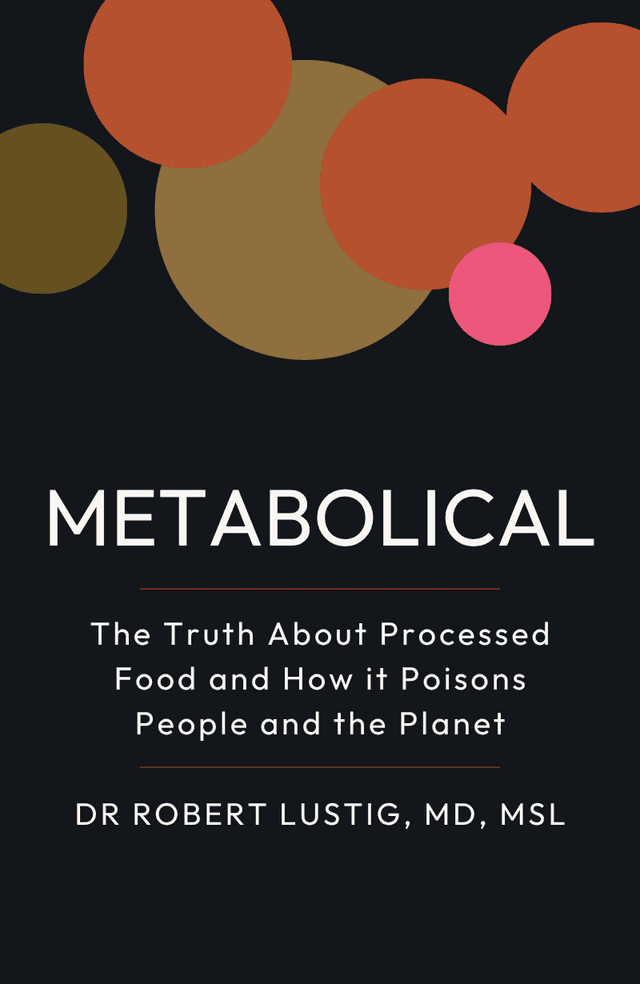
Metabolical
The Truth About Processed Food and How It Poisons People and the Planet
I picked up Metabolical during a deep dive I did on a series of books on nutrition, longevity, and energy, alongside Good Energy by Casey Means, Forever Strong by Gabrielle Lyon, and Outlive by Peter Attia. I'm pretty sure I got it on Casey's recommendation, and Dr. Lustig, one of the world's most respected endocrinologists, is a big part of her Levels app. I've also featured one of my favorite Lustig books, Fat Chance, in another Note. This one is a sobering, sometimes nauseating look at how processed food poisons people and the planet, and it lands on two simple precepts: protect your liver and feed your gut with Real Food. If you want to think for yourself about food and reclaim your Energy, I highly recommend it. Big Ideas we explore include Insulin 101, Dietitians, Waist Circumference, Two Simple Precepts, and Be the Change.
Locked
Philosopher's Notes
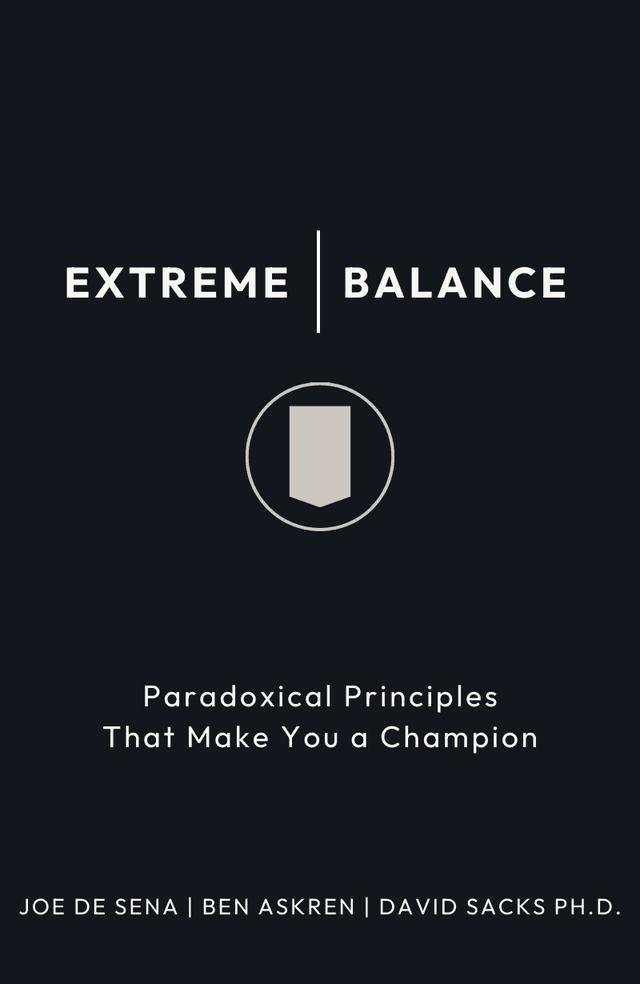
Extreme Balance
Paradoxical Principles That Make You a Champion
by Ben Askren, Joe De Sena and David Sacks Ph.D.
As you know if you've been following along, I'm a big fan of Joe De Sena. I consider him a Soul Brother, and we've featured all of his prior books, from Spartan Up! to 10 Rules for Resilience. So when I saw he'd teamed up with Ben Askren and David Sacks, Ph.D. on this one, I immediately got it, reading the first half on a flight to serve some Heroic leaders and the rest the next morning. I've read a LOT of mental toughness and peak performance books, and this one is right there at the top. It's all about dissolving the false dichotomies of life and sport by replacing "or" with "and." Whether you're an athlete, a CEO, a coach, or a parent looking to forge excellence and activate your Heroic potential, I highly recommend it. Big Ideas we explore include Extreme Balance, Deliberate Practice, Process or Outcome?, Good Enough?, and Need a Spot?
Locked
Philosopher's Notes
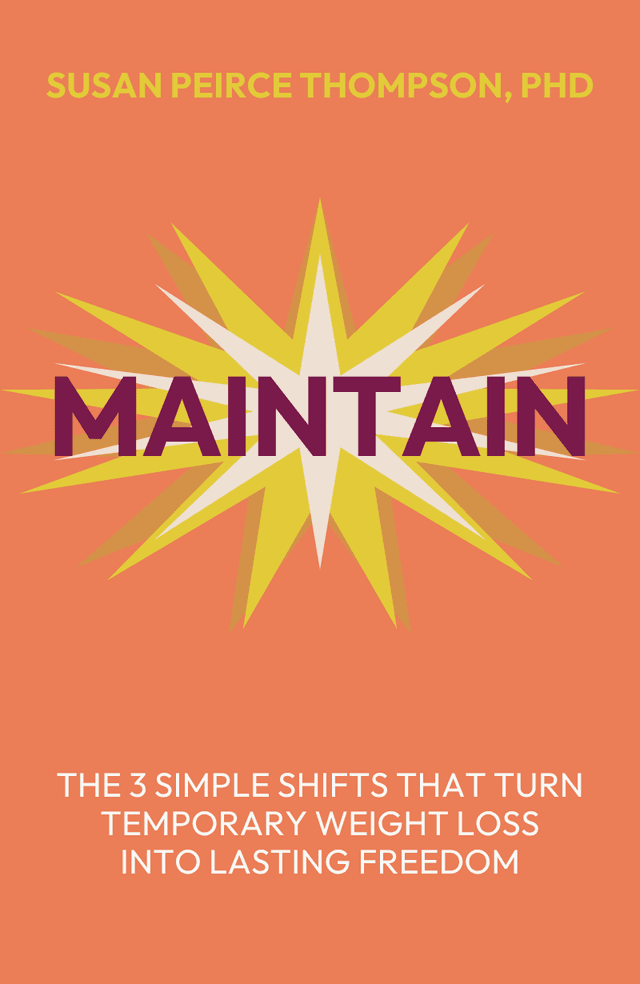
Maintain
The 3 Simple Shifts that Turn Temporary Weight Loss into Lasting Freedom
I love Susan Peirce Thompson. Her personal story, her wisdom, and her commitment to changing the world inspire me deeply. This is the third Note I've created on one of her books, following Bright Line Eating and The Bright Line Eating Cookbook. Maintain tackles what most programs leave out: how to actually keep the weight off for good. Susan maps three identity shifts, becoming Devoted to your program, becoming Resourced so you no longer use food as a crutch, and becoming Liberated from the cycle of yo-yo dieting and food obsession. It is neuroscience, psychology, and practical habit-building backed by Susan's own extraordinary transformation from crack addict to world-class PhD researcher. If you want to stop the cycle and find lasting peace with food and your weight, I highly recommend this book. Big Ideas we explore include Meet Your Guide, What Is Maintenance, Devoted, Resourced, and Liberated.
Locked
Philosopher's Notes
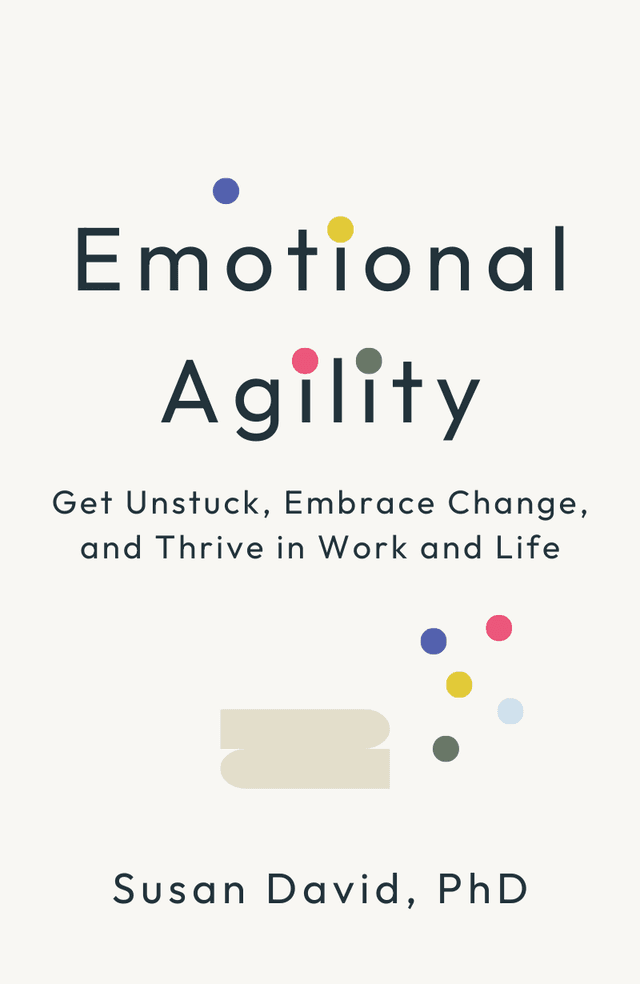
Emotional Agility
Get Unstuck, Embrace Change, and Thrive in Work and Life
I discovered this book through Scott Barry Kaufman, who raved about Susan David and her work in his excellent book Rise Above. He told us that cultivating emotional agility was one of the primary ways to overcome a victim mindset and realize our full potential, and that was enough for me. Susan is a psychologist on the faculty of Harvard Medical School and the cofounder of the Institute of Coaching at McClean Hospital, and the book delivered on every bit of that promise. The core idea is powerful: emotional agility means holding your most difficult emotions loosely, facing them courageously and compassionately, and then acting in alignment with your deepest values. Not relentless positivity, but genuine humanity. If you want to move from bottling or brooding to showing up as the Hero of your own story, I highly recommend this book. Big Ideas we explore include Emotions, Showing Up, The #1 Tip, Dead People's Goals, and Emotionally Agile Kids.
Locked
Philosopher's Notes
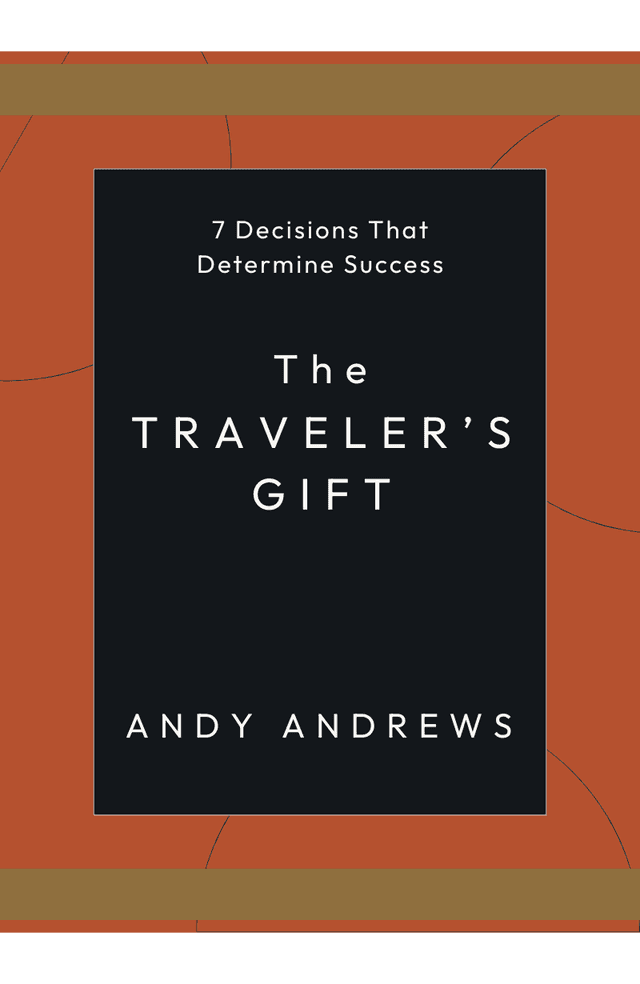
The Traveler’s Gift
Seven Decisions That Determine Personal Success
by Andy Andrews
I got The Traveler’s Gift after my friend Chris Duhon recommended it, and I’m glad he did because it’s a fun, fast, deeply inspiring read. Andy Andrews tells the story of David Ponder, a man going through a difficult season who finds himself traveling across time to meet seven extraordinary guides, each of whom shares one decision that can change a life. What emerges is a practical framework for personal success rooted in responsibility, wisdom, action, courage, gratitude, forgiveness, and faith. It reads like a fable, but the lessons are real and enduring. Big Ideas we explore include The Seven Decisions, The First Decision, I Am a Person of Action, I Will Choose to Be Happy, and Greet the Day with a Forgiving Spirit.
Locked
Philosopher's Notes
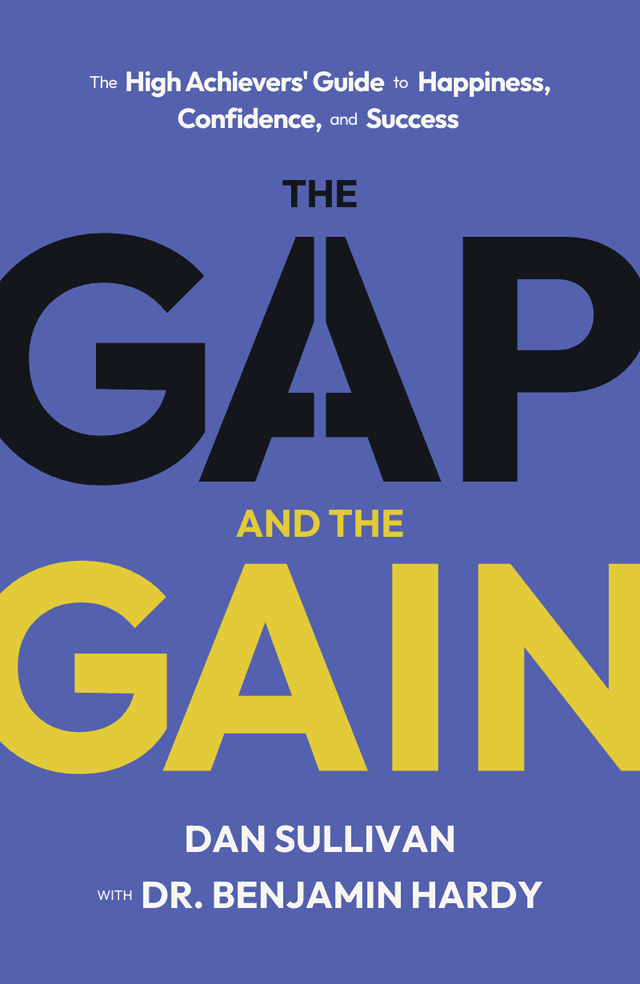
The Gap and The Gain
The High Achievers' Guide to Happiness, Confidence, and Success
by Dan Sullivan and Dr. Benjamin Hardy
This is the fourth Note I’ve created on one of Ben Hardy’s books, and The Gap and The Gain delivers one of the most powerful distinctions I’ve ever encountered. Co-written with Dan Sullivan, it shows why so many ambitious people stay stuck in dissatisfaction: they measure themselves against an impossible ideal rather than against the progress they’ve actually made. Once you really get the difference between the GAP and the GAIN, you can start building more happiness, confidence, freedom, and momentum right now by measuring backward, appreciating how far you’ve come, and using even difficult experiences to grow stronger and wiser. Big Ideas we explore include The Gap and The Gain, Harmonious Passion, #1 Hour in Your Day, Three Wins, and how to Become Antifragile.
Locked
Philosopher's Notes
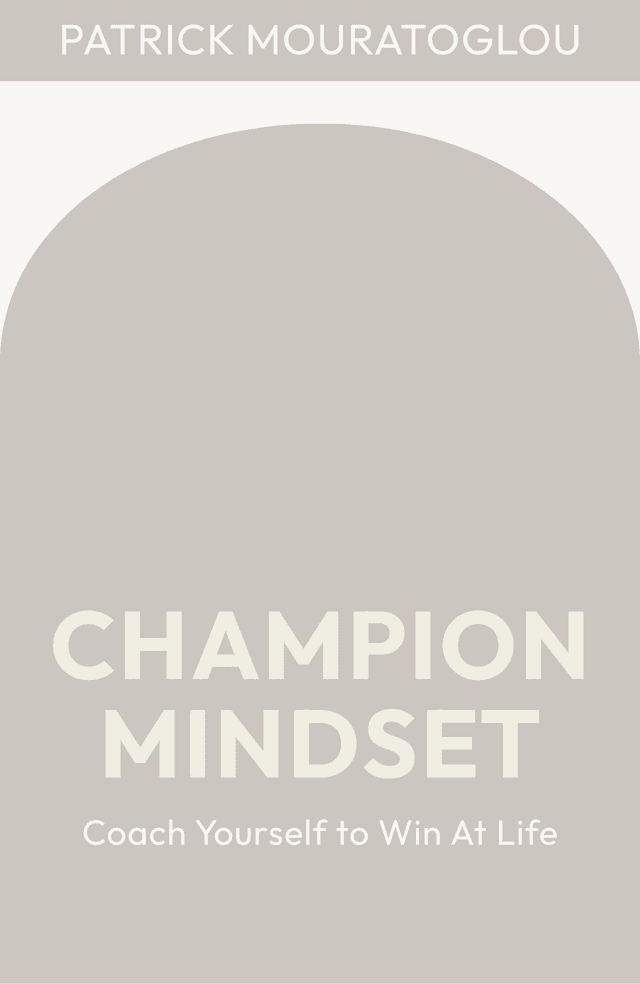
Champion Mindset
Coach Yourself to Win at Life
I’m a big fan of mental toughness and peak performance, so I jump at any chance I get to sharpen the sword of performance excellence, and Champion Mindset is a fantastic book. Patrick Mouratoglou, one of the world’s most respected tennis coaches, gives us ten keys to forging a champion mindset, with practical wisdom on self-esteem, confidence, failure, motivation, and what it really takes to perform at your highest standard at all times. What makes this book so powerful is that Patrick is relentlessly clear that the ultimate battle is in your own mind. He shows us that confidence is built through action, failure is fuel, your entourage matters more than you think, and the real goal is not just winning matches but making your life a masterpiece. Big Ideas we explore include At All Times, Self-Esteem, Failure Is Fuel, One Bad Apple, and The Ultimate Game.
Locked
Philosopher's Notes
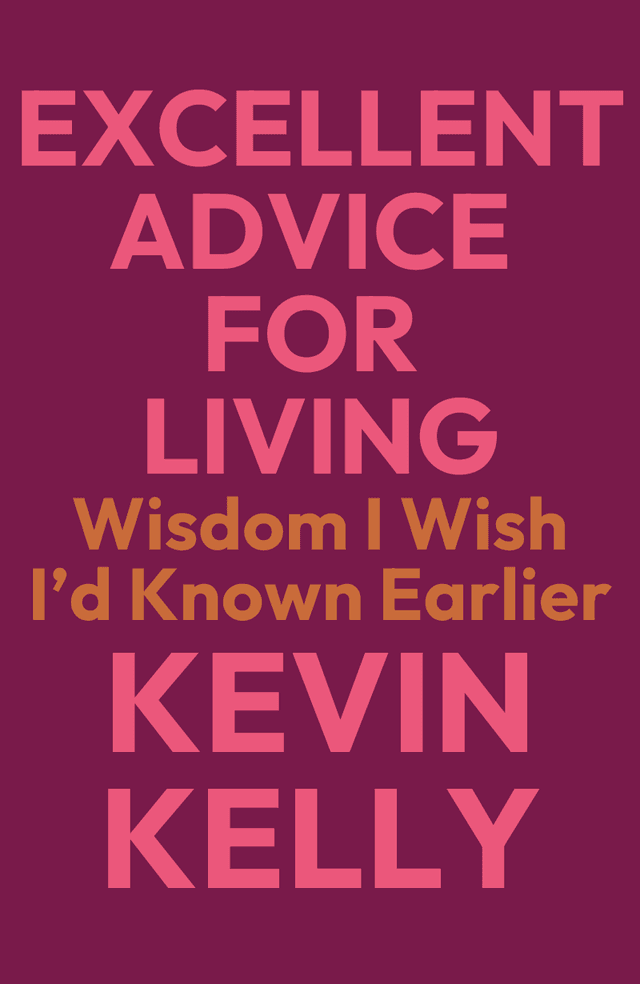
Excellent Advice for Living
Wisdom I Wish I'd Known Earlier
by Kevin Kelly
Kevin Kelly helped launch Wired and is a wonderfully brilliant, iconoclastic, wise human being. Excellent Advice for Living is a tiny little book packed with pithy wisdom, the kind of book where I could literally open to any page and riff on a gem or two. What makes it so fun is that each compact line opens into a much bigger truth about how to live, work, recover from mistakes, stay enthusiastic, and keep aiming at what matters most over the long arc of a life. This Note plays with a handful of my favorite seeds from the book and connects them to wisdom from Emerson, Wooden, Rotella, James Clear, and others, all in service to helping us apply the ideas right now. Big Ideas we explore include +25 IQ Points, The Only, Behavior -> Thinking, Compound Interest, and Good Bad Days.
Locked
Philosopher's Notes
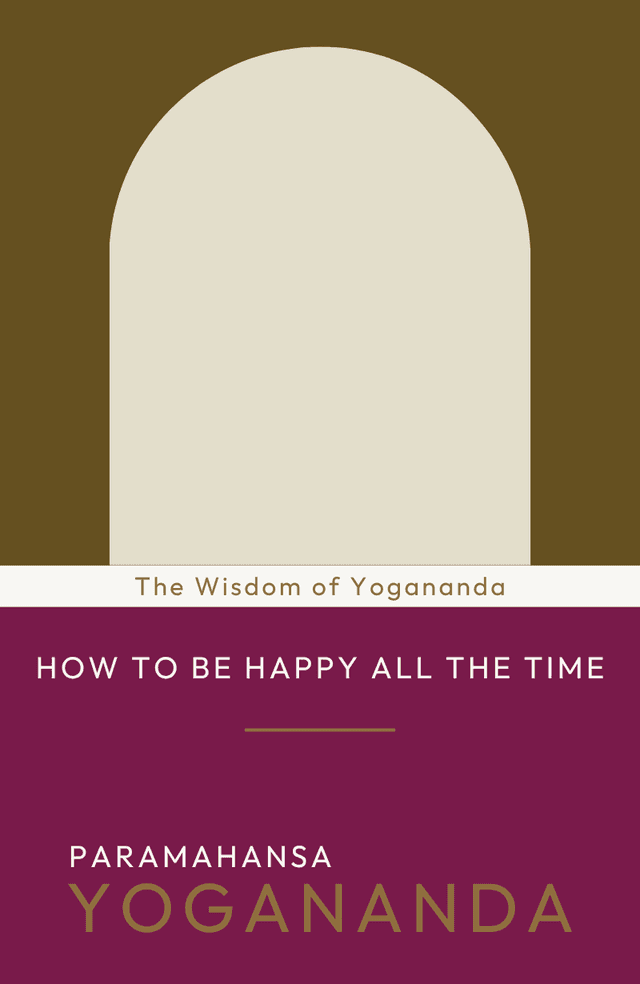
How to Be Happy All the Time
This is the sixth Note I’ve created on one of Yogananda’s books, and How to Be Happy All the Time is a tiny but deeply inspiring guide to one of the biggest questions in life: where real happiness is actually found. Yogananda reminds us that happiness cannot be chased in the outer world because it is not a thing to possess but a state of consciousness to cultivate. He shows us that bad habits, restlessness, and our constant search for pleasure steal our peace, while inner calmness, good discipline, meditation, reading, and equanimity help us create the lasting joy he calls true happiness. It is packed with simple, practical spiritual wisdom on how to stop looking outside ourselves for what can only be found within. Big Ideas we explore include Happiness and Where to Find It, The Rose of Happiness, Happiness Thieves, Best Indoor Sport, and The #1 Condition for Happiness.
Locked
Philosopher's Notes
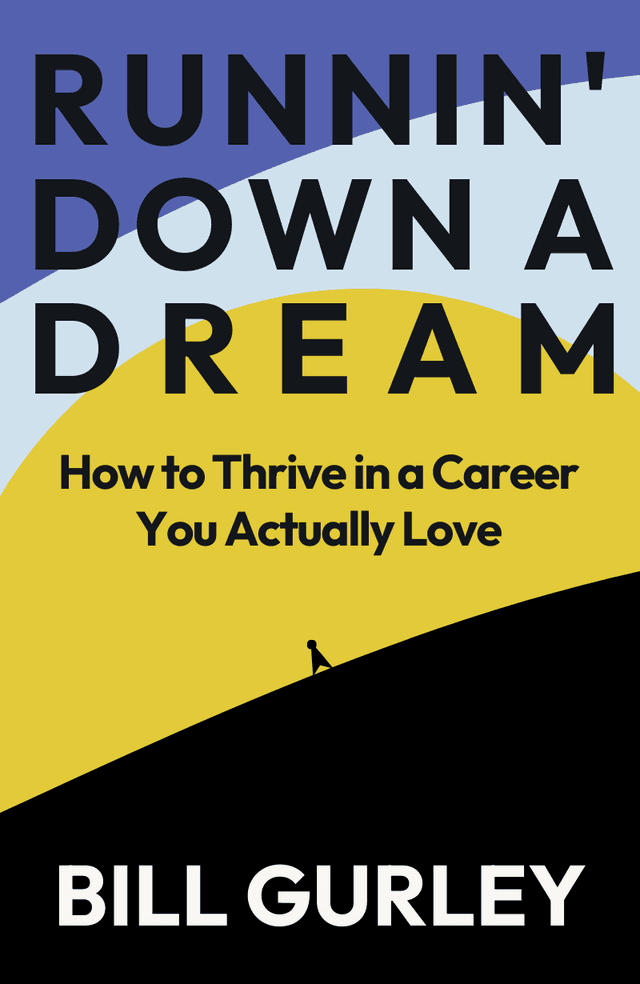
Runnin’ Down a Dream
How to Thrive in a Career You Actually Love
by Bill Gurley
Bill Gurley wrote Runnin’ Down a Dream for anyone who wants more than a paycheck and suspects work can be one of the most meaningful expressions of a life well lived. The core message is simple and powerful: life is a use-it-or-lose-it proposition, and eighty thousand hours is far too long to spend doing something you do not love. Gurley offers a practical playbook for stepping off the conveyor belt, chasing your curiosity, finding your obsessive interest, honing your craft, and having the courage to run down your dream, whether you are just starting out or changing direction midcareer. It is optimistic without being naive, grounded in real stories, and relentlessly focused on the parts of success we can actually control. Big Ideas we explore include The Conveyor Belt, Obsessive Interest, Hone Your Craft, It’s Never Too Late, and Use It or Lose It.
Locked
Philosopher's Notes
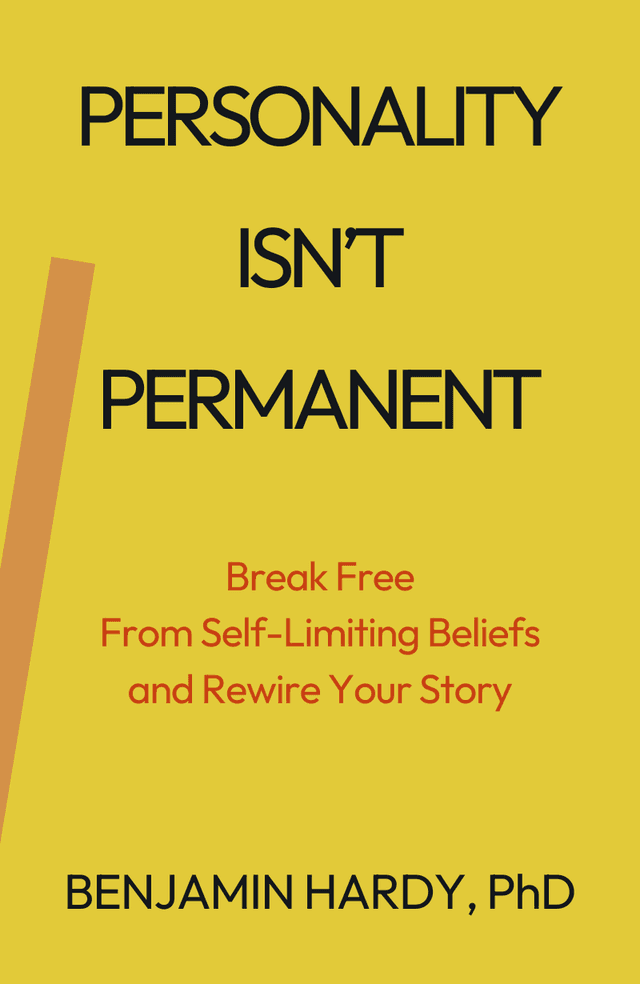
Personality Isn’t Permanent
Break Free from Self-Limiting Beliefs and Rewrite Your Story
This is the third Note I’ve created on one of Ben Hardy’s great books, and Personality Isn’t Permanent is all about one of the most empowering ideas in modern psychology: people can and do change, a lot. Ben systematically dismantles the myths that keep us stuck, then walks us through a practical framework for becoming the architect of our own personality by getting clear on our future self, choosing one major goal, making committed decisions, and redesigning our environment to support who we want to become. It is packed with practical wisdom on confidence, identity, goal-setting, and the power of strategic ignorance in a world full of distraction. Big Ideas we explore include The Myths of Personality, The Truth of Personality, Chasing Your Hero, Your ONE Major Goal, Decision Fatigue, and Strategic Ignorance.
Locked
Philosopher's Notes
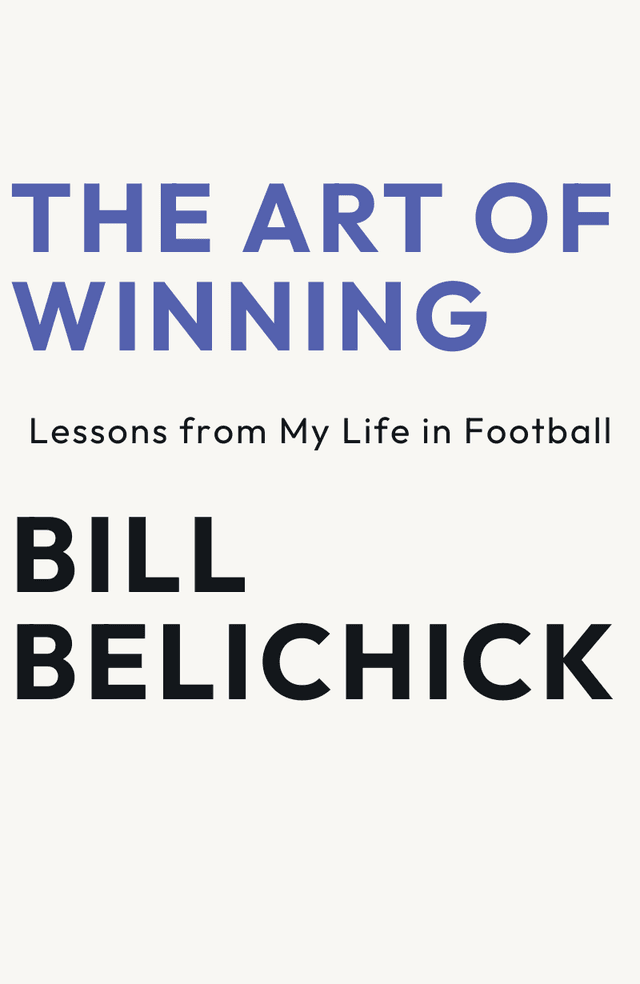
The Art of Winning
Lessons from My Life in Football
If you are into football, leadership, or sustained excellence of any kind, Bill Belichick is one of the most believable voices you could study. Widely regarded as the greatest football coach of all time, he makes it clear in The Art of Winning that winning is not a moment, a mindset, or a motivational speech, it is a process built through preparation, consistency, discipline, and relentless improvement. What makes the book so powerful is that Belichick is not interested in hype, he is interested in what actually works. Over and over again, he brings us back to the same truth: the price of success is paid in advance, confidence comes from doing, and the only success that matters is sustained success. Big Ideas we explore include Win All the Time, 1-2-3 the 49%, Consistency, Discipline, and Confidence.
Locked
Philosopher's Notes
How to Control Your Anxiety
Before It Controls You
by Albert Ellis
Albert Ellis basically founded the cognitive behavior therapy movement, and this book is a practical, funny, deeply useful guide to doing exactly what the title promises: controlling your anxiety before it controls you. What makes Ellis so compelling is that he did not just create REBT in theory, he used it to conquer his own fears, then spent decades helping others do the same. This book is packed with practical wisdom on the difference between healthy and unhealthy anxiety, why uncertainty is part of life, how our irrational beliefs create so much unnecessary suffering, and why universal self-acceptance is one of the most powerful tools we have. Big Ideas we explore include Meet Your Heroic Guide, Anxiety, Uncertainty, Irrational Beliefs, and Self-Acceptance.
Locked
Philosopher's Notes
The Yes Brain
How to Cultivate Courage, Curiosity, and Resilience in Your Child
by Dan Siegel and Tina Payne Bryson, PhD
Dan Siegel and Tina Payne Bryson have written some of the most practical and powerful parenting books I’ve ever read, and The Yes Brain is all about how to help our kids develop the qualities that matter most: balance, resilience, insight, and empathy. As per the subtitle, this book is about cultivating courage, curiosity, and resilience in your child, but what makes it so powerful is that it ties all of that to the deeper goal of helping our kids build a truly healthy, integrated brain and, ultimately, a eudaimonic life filled with meaning, connection, and equanimity. It is packed with practical wisdom on how to expand our kids’ window of tolerance, teach response flexibility, model these qualities in our own lives, and help bring forth the inner spark within them. Big Ideas we explore include Eudaimonic Brains, Integration, Window of Tolerance, Response Flexibility, and The Inner Spark.
Locked
Philosopher's Notes
Marcus Aurelius
The Stoic Emperor
Donald Robertson is one of my favorite writers and humans, and this is the fourth Note I’ve created on one of his books. He is one of the world’s leading scholars and practitioners of Stoicism, but what makes his work so powerful is that he so clearly practices what he teaches. In Marcus Aurelius, Donald gives us the perfect biography of the Stoic emperor, weaving together Marcus’s inner life, private philosophy, and outward actions while showing us how Stoicism shaped his character under the immense pressures of power. This is not just a book about a Roman emperor, it is a practical look at virtue, self-mastery, mortality, and what it means to live in agreement with Nature. Big Ideas we explore include The Choice of Hercules, To Himself, Epictetus, On Loan, and The Ideal Sage.
Locked
Philosopher's Notes
What You’re Made For
Powerful Life Lessons from My Career in Sports
by George Raveling and Ryan Holiday
George Raveling was known to many simply as Coach, and if you know anything about his life, you know that title barely begins to capture the man. From his extraordinary journey through basketball, leadership, mentorship, and service, to the way he impacted people like Michael Jordan, Phil Knight, and so many others, Coach lived a life that made a profound difference. Co-written with Ryan Holiday, What You’re Made For is not a memoir so much as an exploration of purpose and meaning, and a call to reflect on your own path, question the arbitrary limitations placed upon you, and ask what you were made for. It is packed with hard-won wisdom on trailblazing, studying books, winning the day, serving others, and making your life count. Big Ideas we explore include To Truly Live, To Be a Trailblazer, Study Books, Win the Day, and Make It Count.
Locked
Philosopher's Notes
True and False Magic
A Tools Workbook
by Phil Stutz
I love Phil Stutz. If you’ve been following along, you know he’s my Yoda, my spiritual father, and one of the people who has most profoundly shaped my life and work over the last decade. This is the fourth Note I’ve created on one of his books, and like Lessons for Living, reading it felt like sitting in a coaching session with him. In True and False Magic, Phil gives us a practical workbook on how to access our infinite potential by leaving the Safety Zone, becoming a conduit for higher forces, and doing the hard thing even when every part of us wants to avoid it. The message is pure Phil: your potential exists outside your comfort zone, action drives creativity, and the only way to build a life of real power is to keep the promises you make to yourself. Big Ideas we explore include Your Infinite Potential, Higher Forces, The Safety Zone, Action Drives Creativity, and You Must… Keep promises to yourself.
Locked
Philosopher's Notes
Wisdom Takes Work
Learn. Apply. Repeat.
by Ryan Holiday
This is the fourth book in Ryan Holiday’s Stoic Virtue Series, following Courage Is Calling, Discipline Is Destiny, and Right Thing Right Now, and it delivers what the title promises: wisdom is not something you possess once and for all, it is a practice of learning, applying, and repeating over the course of a life. Ryan brings together stories of readers, writers, philosophers, athletes, generals, and statesmen to show that wisdom requires study, reflection, physical discipline, humility, and the willingness to make mistakes without being broken by them. He reminds us that we can talk to the dead through books, build a second brain by capturing what we learn, strengthen the mind through the body, and become wiser not by pretending to know everything but by staying teachable and doing the work. Big Ideas we explore include Talk to the Dead, Create a Second Brain, A Healthy Mind in a Healthy Body, Make Mistakes, and Exemplary Leadership.
Locked
Philosopher's Notes
Hidden Potential
The Science of Achieving Greater Things
by Adam Grant
Adam Grant is one of THE most respected and popular thinkers/authors/writers in the world. In Hidden Potential, he challenges the common belief that greatness is mostly born rather than made and shows how we can all rise to achieve greater things. Instead of obsessing over natural talent, Grant focuses on the often overlooked skills of character that help us get better at getting better. Along the way, he shows why imperfectionists often outperform perfectionists, how deliberate play can transform the daily grind of practice, why progress sometimes requires backing up before moving forward, and how we can redefine success around growth and character rather than status and accolades. Big Ideas we explore include Skills of Character, The Imperfectionists, Deliberate Play, Backing Up to Move Forward, and Redefine Success.
Locked
Philosopher's Notes
On the Meaning of Life
by Will Durant
Will Durant is one of the great philosopher-historians of the twentieth century, and in this short but powerful book he tackles the ultimate question: What gives life meaning? After being confronted by a man who said he would end his life unless Durant could give him a reason to keep living, Durant realized he wasn’t satisfied with his own answer. So he wrote to one hundred of the most respected thinkers of his era, asking them what gives their lives purpose, energy, and fulfillment. The result is a fascinating collection of reflections from figures like H.L. Mencken, Vilhjalmur Stefansson, and Mohandas Gandhi, followed by Durant’s own deeply personal response. The answers vary, but they converge around work, service, love, and the pursuit of something larger than ourselves as the foundations of a life worth living. Big Ideas we explore include The Letter, H.L. Mencken on laying eggs, Stefansson on carnivore, Gandhi on battling evil, and Durant answers his own questions.
Locked
Philosopher's Notes
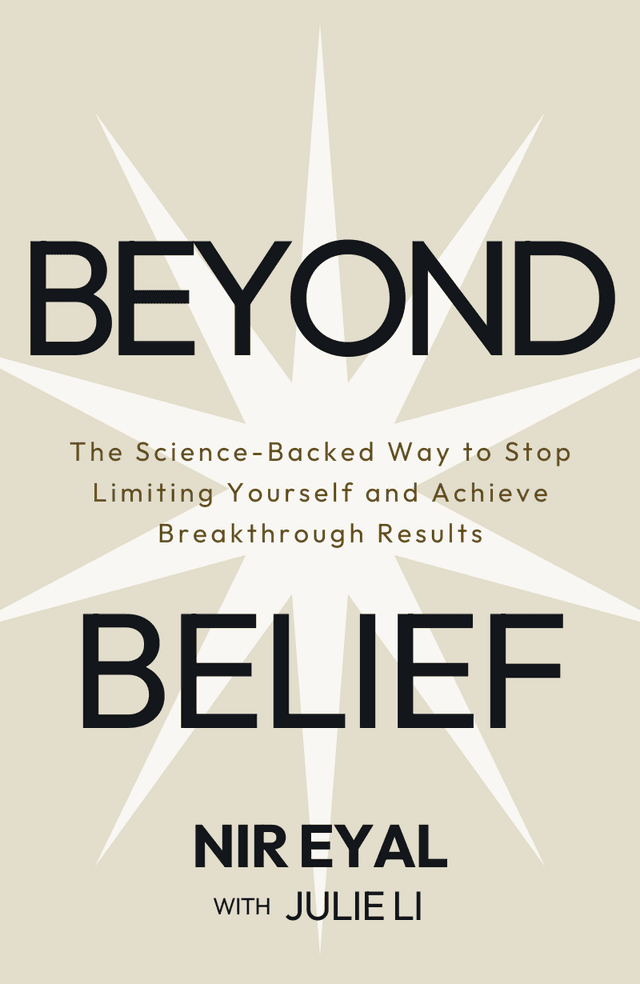
Beyond Belief
The Science-Backed Way to Stop Limiting Yourself and Achieve Extraordinary Results
by Nir Eyal
Nir Eyal is one of the leading thinkers exploring the intersection of psychology, behavior design, and human potential. He’s the author of Hooked and Indistractable and has spent years studying why we do what we do and how we can regain control of our behavior. In Beyond Belief, he turns his attention to one of the most powerful forces shaping our lives: the beliefs that quietly determine what we think is possible. The core idea is simple: motivation doesn’t just come from goals or rewards. It comes from belief. When we believe our actions will lead to meaningful results, we persist longer, see more opportunities, and act with greater agency. Drawing on research from psychology, neuroscience, and behavioral science, Nir shows how to replace limiting beliefs with practical ones that expand possibility, build resilience, and help us turn challenges into fuel for growth. Big Ideas we explore include The Motivation Triangle, The Three Powers, A New OS, Circle of False Promise, and Extraordinary Lives.
Locked
Philosopher's Notes
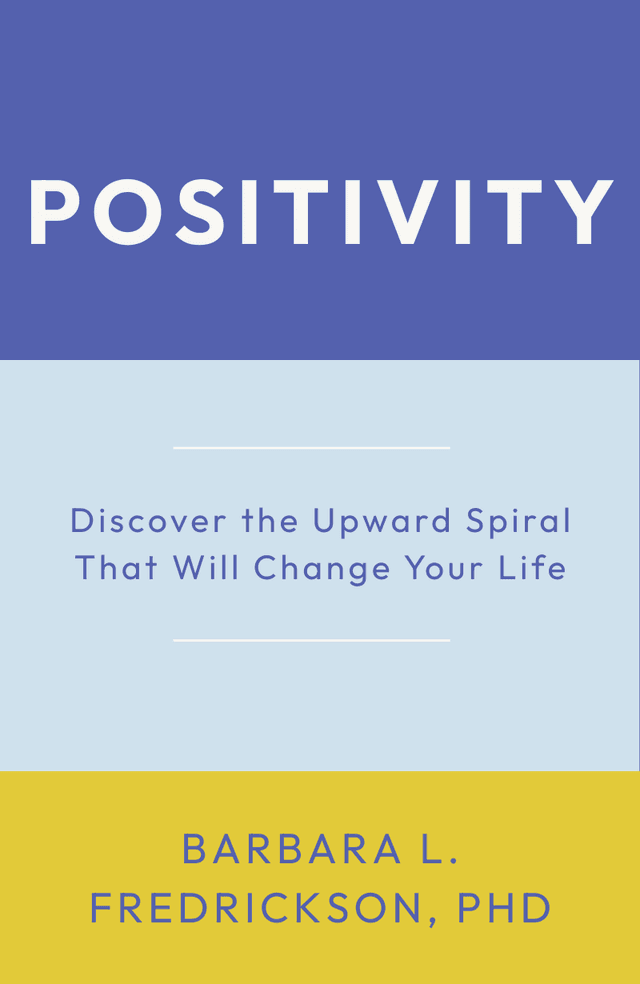
Positivity
Top-Notch Research Reveals the 3-to-1 Ratio That Will Change Your Life
In Positivity, Barbara Fredrickson presents the research behind her broaden-and-build theory and the now-famous 3-to-1 positivity ratio that separates languishing from flourishing. This is not about toxic positivity or denying life’s pain, but about cultivating enough genuine positive emotion to build resilience, creativity, connection, and purpose. Drawing from decades of affective science, she shows how small daily emotional shifts compound into greater well-being, stronger relationships, and a life that both feels good and does good. Big Ideas we explore include Languish or Flourish, Broaden and Build, The 10 Positive Emotions, Buoyancy, and Your Future Self.
Locked
Philosopher's Notes
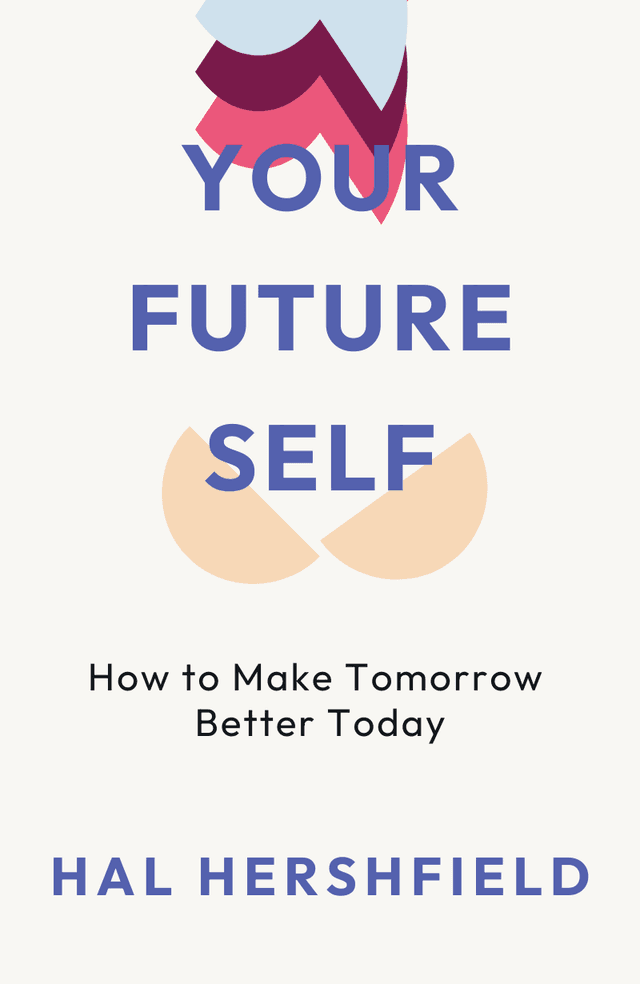
Your Future Self
How to Make Tomorrow Better Today
Hal Hershfield’s Your Future Self explores the science of “future self-continuity” and shows that many of our worst decisions happen when we treat our future selves like strangers. Drawing on cutting-edge neuroscience and behavioral research, he demonstrates that when we strengthen the connection between who we are today and who we’ll become tomorrow, we save more, procrastinate less, make healthier choices, and live with greater intention. The core idea is simple but profound: how you imagine your future changes how you behave in the present. Big Ideas we explore include Current You & Future You, Caterpillars, Conquering Procrastination, Pre-Commitments, and Time Traveling.
Locked
Philosopher's Notes
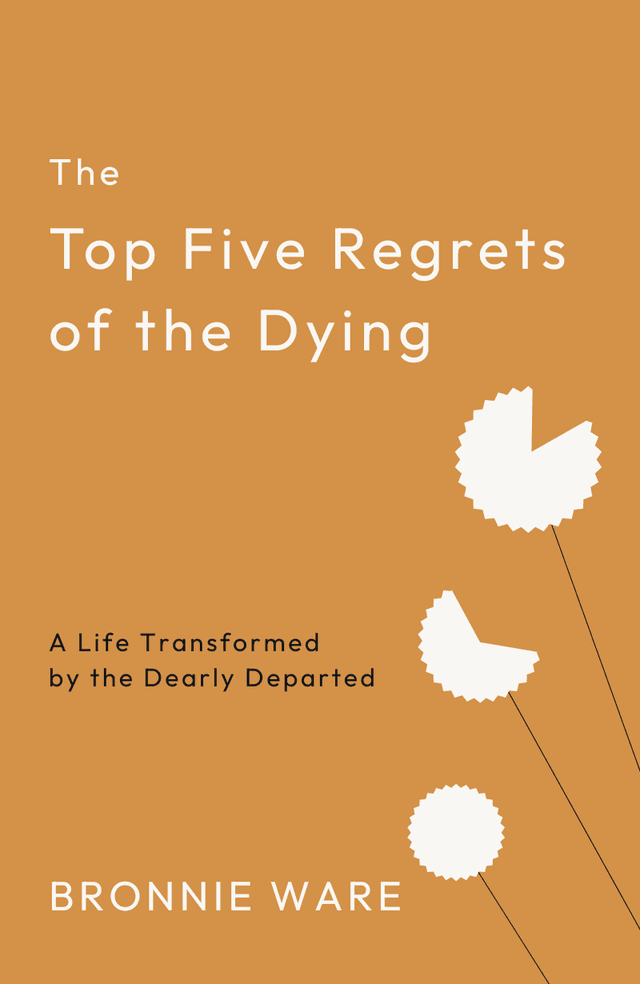
The Top Five Regrets of the Dying
A Life Transformed by the Dearly Departing
by Bronnie Ware
Bronnie Ware spent years caring for people in the final weeks of their lives and had the courage to ask them what mattered most. The answer became The Top Five Regrets of the Dying. The most common regret was not living a life true to oneself, followed by working too hard, not expressing feelings, losing touch with friends, and not allowing more happiness. This memoir weaves her own Hero’s Journey with bedside wisdom that forces us to confront death, clarify our values, and choose differently while we still can. Big Ideas we explore include On Regret, On Death, The #1 Regret, Purpose, and Happiness, each inviting you to live with courage, presence, and far fewer regrets.
Locked
Philosopher's Notes
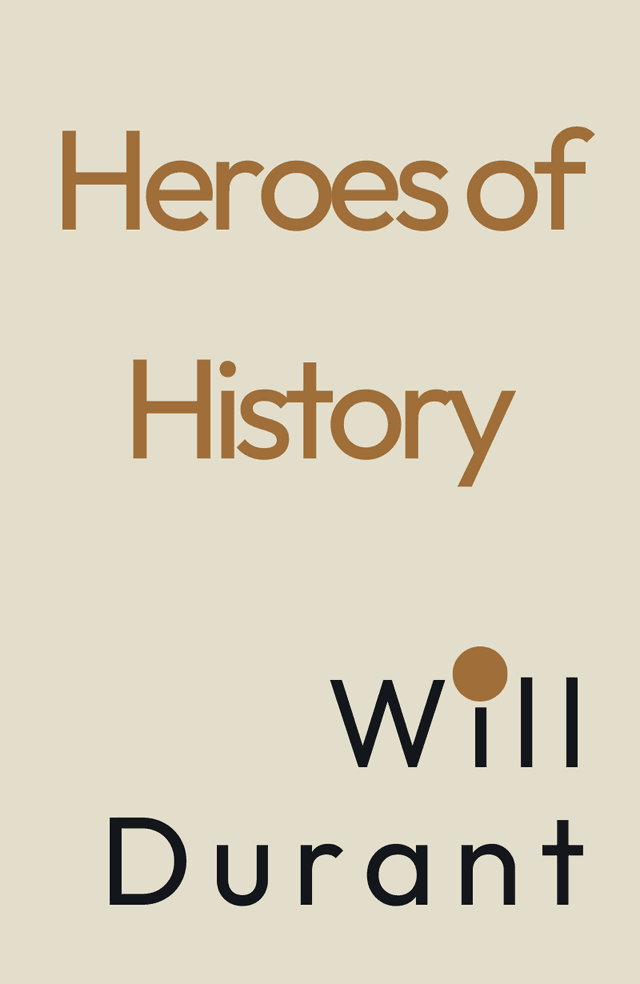
Heroes of History
A Brief History of Civilization from Ancient Times to the Dawn of the Modern Age
by Will Durant
I can’t quite believe I made it this far without reading Will Durant. I knew the famous line about excellence being a habit was his poetic paraphrase, not Aristotle’s, but I had never actually sat with his work until that 101 books in 101 days stretch. Heroes of History made me fall in love with the man. Written in his mid-nineties after more than sixty years mastering his craft, this book is Durant the philosopher writing history, inviting us into what he calls a “Country of the Mind” where the great souls of civilization still live and teach. We meet Confucius and his call to reform the world by cultivating the self, Pericles and the Golden Age of Athens with both its brilliance and its shadows, Jesus as the greatest spiritual revolutionist, and Michelangelo as a testament to disciplined creative labor. Big Ideas we explore include Meet Your Heroic Guide, Confucius, Pericles, Jesus, and Michelangelo, each reminding us that history is philosophy teaching by example, and that leadership begins with the mastery of your own character.