Philosopher's Notes
More wisdom in less time. The best big ideas from life-changing books distilled into inspiring and super practical quick reads and 20-minute audio.

Locked
Philosopher's Notes
The Right to Be Human
A Biography of Abraham Maslow
Abraham Maslow is one of my heroes. His Heroic portrait hangs in a frame on the wall in my office, and I got this book after reading Scott Barry Kaufman's brilliant Transcend, which extends Maslow's work into the modern era. We've already created Notes on his classics Motivation and Personality and Toward a Psychology of Being, plus the lesser-known Future Visions, and this biography by Edward Hoffman brings the whole man to life. It's packed with inspiring stories of the challenges Maslow faced and overcame, and packed with wisdom on self-actualization, human potential, and the courage to become who we are capable of becoming. If you want to close the gap between who you are and who you could be, and then give your greatest gifts in service of something bigger than yourself, I highly recommend this one. Big Ideas we explore include The Hero, An Iconoclast, Complexity, Don't Try to Escape, and The Heroic Self-Actualizer.

Locked
Philosopher's Notes
What to Make of a Life
Cliffs, Fog, Fire and the Self-Knowledge Imperative
by Jim Collins
Jim Collins has been my favorite business strategist for a long time, so when this book arrived from Amazon, I opened the box mid-walk with Emerson and was struck by Jim's Soul Force radiating off the cover. It's AT LEAST tied for first as my all-time favorite. I read it while making big decisions about Heroic and my role within it, and it became one of my guides. Jim spent a decade researching paired remarkable lives, then two more years writing, to answer one Big Question: what to make of a life. He shows how to come into frame by discovering your encodings, flipping the arrow of money, and focusing your inner fire, then navigate the cliffs and fog we all face. If you want deeper self-knowledge and clarity on your path, I highly recommend this book. Big Ideas we explore include Your Heroic Guide, One Big Thing, A Constellation, Take the Next Best Step, and Catalytic Questions.

Locked
Philosopher's Notes
Raise the Player, Not the Pressure
The Parent and Coach Playbook for Confident, Happy Athletes
Brandon Guyer is one of my favorite people on the planet, a dear friend, a big Heroic investor, and a Heroic Coach with whom I've traded Oura scores nearly every morning for years. I was honored to write a testimonial for the back cover, and I read the whole thing at a chess tournament the day after I got it. It's a super-quick read at only 88 pages, but it's PACKED with immediately applicable practical wisdom on raising confident, happy athletes. Brandon spent seven years in Major League Baseball, and this isn't a book about turning your kid into a star, it's about helping them become whole while chasing big dreams. And it's not just for sports parents. If you have a kid who competes in anything, chess like mine, marching band, debate, or drama, I highly recommend it. Big Ideas we explore include The Ultimate Game, The Fun Factor, The Pressure Paradox, You're a Signal, and Win or Win!

Locked
Philosopher's Notes
The Daily Dad
366 Meditations on Parenting, Love, and Raising Great Kids
by Ryan Holiday
This is the ninth (!) Note I've created on Ryan Holiday's great books, following The Obstacle Is the Way, The Daily Stoic, Stillness Is the Key, Ego Is the Enemy, Discipline Is Destiny, Courage Is Calling, Right Thing Right Now, Wisdom Takes Work, and What You're Made For. As I've said in every one of those Notes, I'm astonished by Ryan, the depth of his wisdom, the quality of his writing, and the fierceness with which he practices his philosophy. I read this one during a parenting-book binge last year, and it was at least tied for first as the best parenting book I've ever read. It's 366 meditations structured as a daily ritual, a fantastic kick in the butt to practice our philosophy in the most important and most challenging domain of our lives, how we show up for our kids. Dads: read this book. Big Ideas we explore include A Little Fellow Follows You, Character Is Fate, Always Be a Fan, Struggle and Emerge, and Time Flies.
Activate Your Best. Every Day.
Personal development made simple, so you can flourish in energy, work, and love. Today.
Get Started With Heroic Premium
Locked
Philosopher's Notes
Make Your Next Shot Your Best Shot
The Secret to Playing Great Golf
by Bob Rotella
I'm a HUGE fan of Bob Rotella, and this is the third Note I've created on one of his books, after Golf Is Not a Game of Perfect and How Champions Think. I devoured a bunch of his books during my read 101 books in 101 days sabbatical last year, in part because I love him and in part because I was working with Luke Donald and the European Ryder Cup team at the time, so I was happily binging on all things golf and mental toughness. Here's the thing though. This book isn't ultimately about playing great golf. It's about living a great life. If you want to close the gap between who you are capable of being and who you are actually being, and forge the kind of antifragile confidence that turns adversity into fuel, I highly recommend it. Big Ideas we explore include Dream Big, Persist, A Generational Golfer, Bounce Back, and Effective Routines.
Locked
Philosopher's Notes
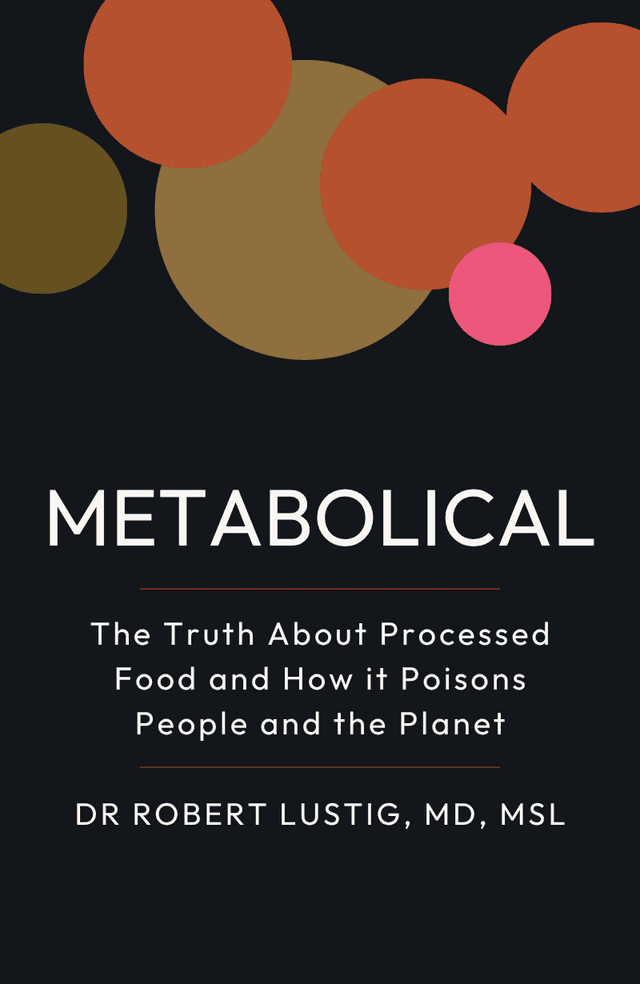
Metabolical
The Truth About Processed Food and How It Poisons People and the Planet
I picked up Metabolical during a deep dive I did on a series of books on nutrition, longevity, and energy, alongside Good Energy by Casey Means, Forever Strong by Gabrielle Lyon, and Outlive by Peter Attia. I'm pretty sure I got it on Casey's recommendation, and Dr. Lustig, one of the world's most respected endocrinologists, is a big part of her Levels app. I've also featured one of my favorite Lustig books, Fat Chance, in another Note. This one is a sobering, sometimes nauseating look at how processed food poisons people and the planet, and it lands on two simple precepts: protect your liver and feed your gut with Real Food. If you want to think for yourself about food and reclaim your Energy, I highly recommend it. Big Ideas we explore include Insulin 101, Dietitians, Waist Circumference, Two Simple Precepts, and Be the Change.
Locked
Philosopher's Notes
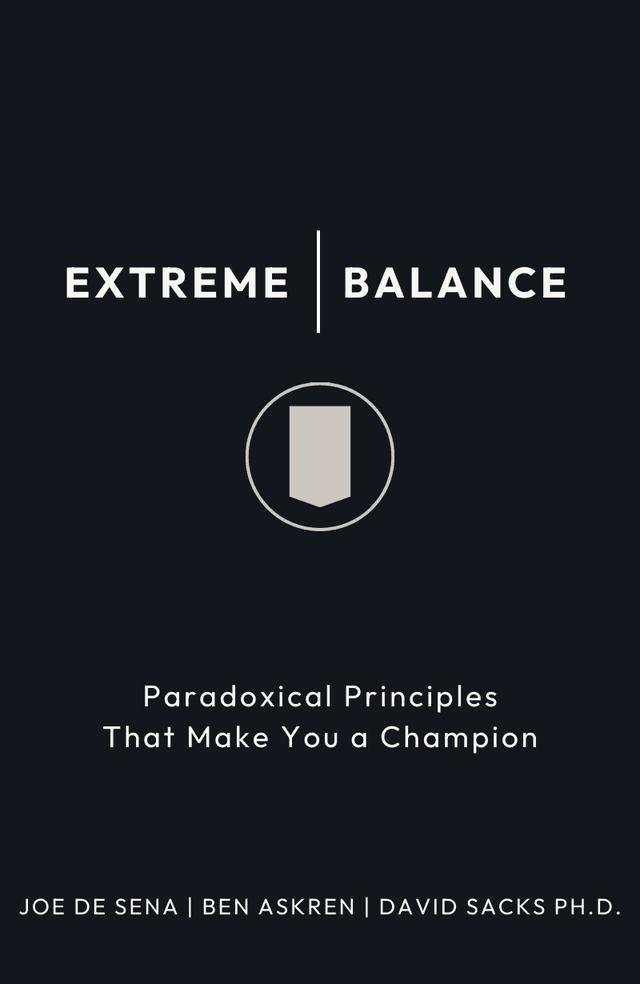
Extreme Balance
Paradoxical Principles That Make You a Champion
by Ben Askren, Joe De Sena and David Sacks Ph.D.
As you know if you've been following along, I'm a big fan of Joe De Sena. I consider him a Soul Brother, and we've featured all of his prior books, from Spartan Up! to 10 Rules for Resilience. So when I saw he'd teamed up with Ben Askren and David Sacks, Ph.D. on this one, I immediately got it, reading the first half on a flight to serve some Heroic leaders and the rest the next morning. I've read a LOT of mental toughness and peak performance books, and this one is right there at the top. It's all about dissolving the false dichotomies of life and sport by replacing "or" with "and." Whether you're an athlete, a CEO, a coach, or a parent looking to forge excellence and activate your Heroic potential, I highly recommend it. Big Ideas we explore include Extreme Balance, Deliberate Practice, Process or Outcome?, Good Enough?, and Need a Spot?
Locked
Philosopher's Notes
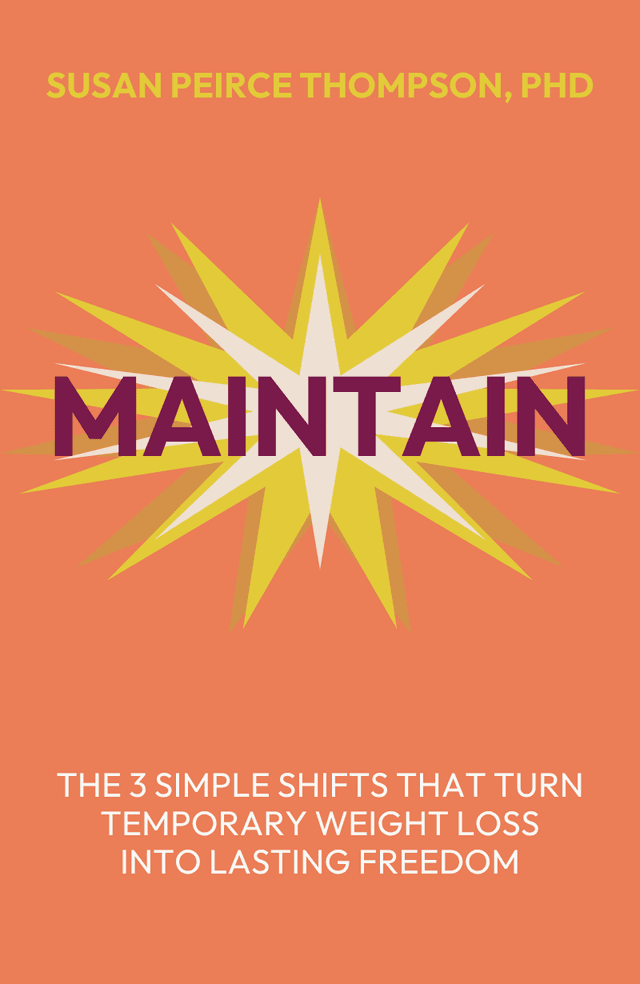
Maintain
The 3 Simple Shifts that Turn Temporary Weight Loss into Lasting Freedom
I love Susan Peirce Thompson. Her personal story, her wisdom, and her commitment to changing the world inspire me deeply. This is the third Note I've created on one of her books, following Bright Line Eating and The Bright Line Eating Cookbook. Maintain tackles what most programs leave out: how to actually keep the weight off for good. Susan maps three identity shifts, becoming Devoted to your program, becoming Resourced so you no longer use food as a crutch, and becoming Liberated from the cycle of yo-yo dieting and food obsession. It is neuroscience, psychology, and practical habit-building backed by Susan's own extraordinary transformation from crack addict to world-class PhD researcher. If you want to stop the cycle and find lasting peace with food and your weight, I highly recommend this book. Big Ideas we explore include Meet Your Guide, What Is Maintenance, Devoted, Resourced, and Liberated.
Activate Your Best. Every Day.
Get Started With Heroic Premium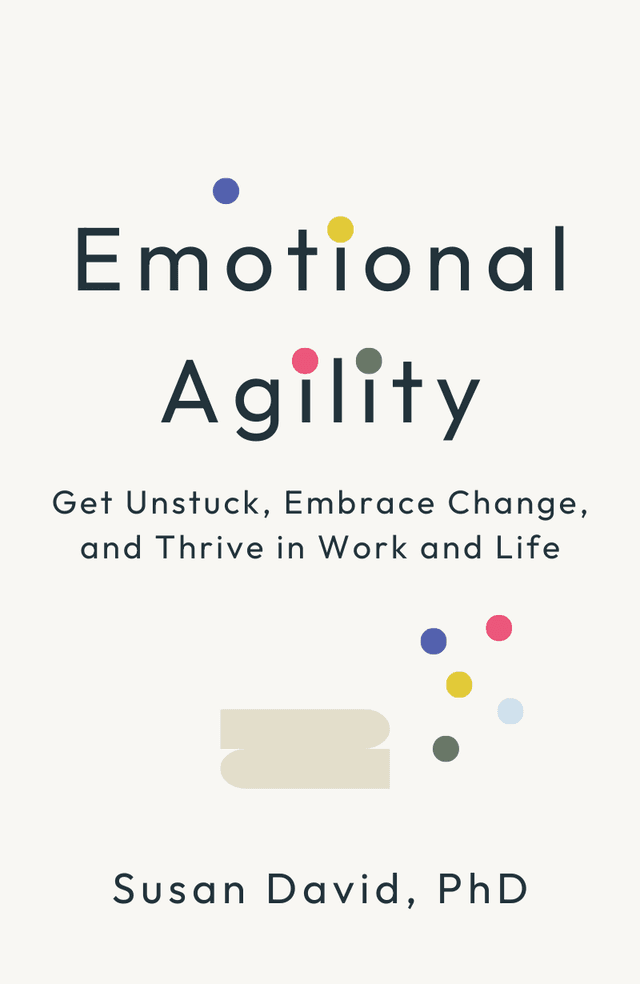
Locked
Philosopher's Notes
Emotional Agility
Get Unstuck, Embrace Change, and Thrive in Work and Life
I discovered this book through Scott Barry Kaufman, who raved about Susan David and her work in his excellent book Rise Above. He told us that cultivating emotional agility was one of the primary ways to overcome a victim mindset and realize our full potential, and that was enough for me. Susan is a psychologist on the faculty of Harvard Medical School and the cofounder of the Institute of Coaching at McClean Hospital, and the book delivered on every bit of that promise. The core idea is powerful: emotional agility means holding your most difficult emotions loosely, facing them courageously and compassionately, and then acting in alignment with your deepest values. Not relentless positivity, but genuine humanity. If you want to move from bottling or brooding to showing up as the Hero of your own story, I highly recommend this book. Big Ideas we explore include Emotions, Showing Up, The #1 Tip, Dead People's Goals, and Emotionally Agile Kids.
Locked
Philosopher's Notes
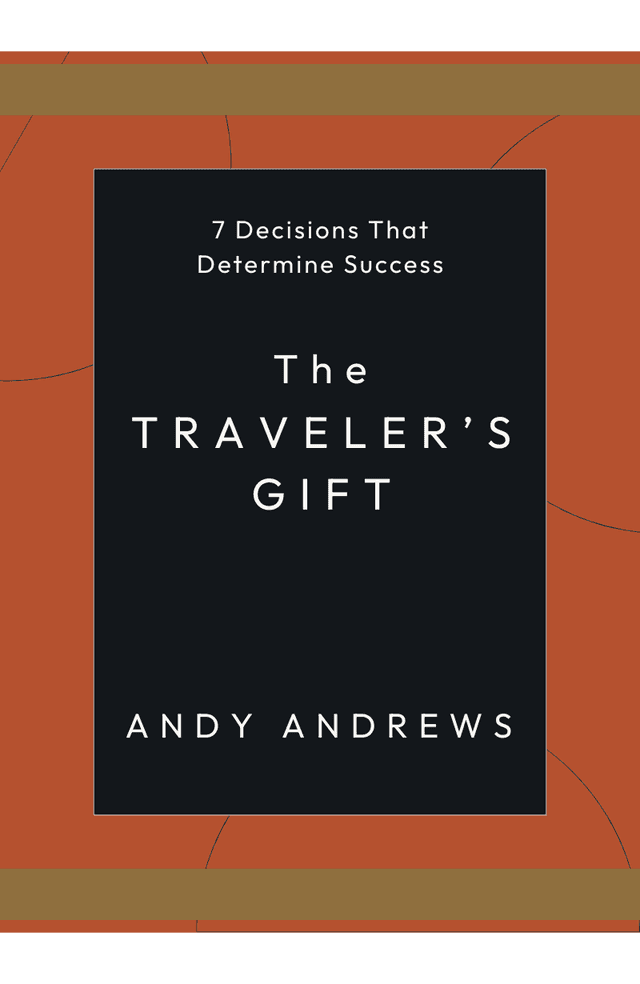
The Traveler’s Gift
Seven Decisions That Determine Personal Success
by Andy Andrews
I got The Traveler’s Gift after my friend Chris Duhon recommended it, and I’m glad he did because it’s a fun, fast, deeply inspiring read. Andy Andrews tells the story of David Ponder, a man going through a difficult season who finds himself traveling across time to meet seven extraordinary guides, each of whom shares one decision that can change a life. What emerges is a practical framework for personal success rooted in responsibility, wisdom, action, courage, gratitude, forgiveness, and faith. It reads like a fable, but the lessons are real and enduring. Big Ideas we explore include The Seven Decisions, The First Decision, I Am a Person of Action, I Will Choose to Be Happy, and Greet the Day with a Forgiving Spirit.